Clarity Call
Book a fit conversation before choosing coaching.
Use this call to discuss where you feel stuck, what you want to change, and whether coaching is the appropriate next step. It is a focused fit conversation, not emergency care, therapy, diagnosis, or clinical treatment.

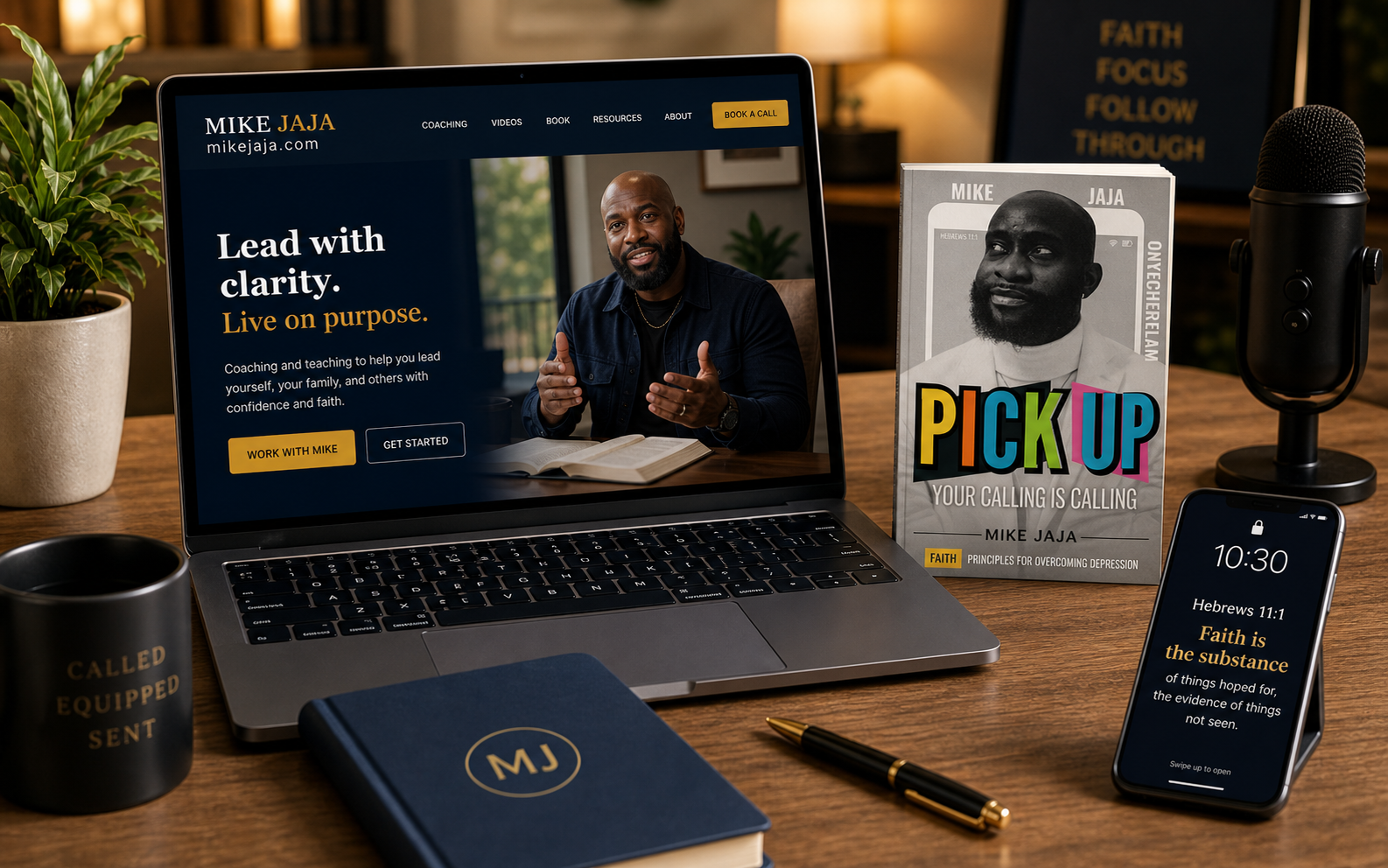


Fit conversation
A fit conversation should feel personal before it feels operational.
The Clarity Call page keeps the human decision ahead of the scheduler, preparation notes, and safeguards.
Agenda
What we will cover.
The call should give both sides enough clarity to choose the right next step without turning a short consult into an unpaid coaching session.

01
Current season
Name where you feel stuck, what has been repeating, and what kind of support you are considering.

02
Desired change
Clarify what would need to be different for coaching to be worth your time and attention.
03
Coaching fit
Confirm whether a practical, faith-centered coaching lane is appropriate for this need.
04
Next step
Leave with a clear recommendation: coaching, a resource, a different support path, or a pause.
Before you book
Come with enough context to make the conversation useful.
The best Clarity Call starts with a focused question, not a full life history or a vague request for motivation.
What feels stuck?
Name the decision, pattern, responsibility, or opportunity that keeps returning to your attention.

What have you already tried?
Share the resource, conversation, prayer rhythm, plan, or support path you have already used.
What would make coaching useful?
Describe the kind of clarity, accountability, or next-step support that would make the call worth continuing.

What should go somewhere else?
Flag crisis, clinical, legal, medical, financial, or urgent needs so the right support path comes first.
Who should book
Use this call when you are ready to reflect honestly and take action.
- You want faith-centered accountability around calling, confidence, discipline, or a life transition.
- You understand coaching is practical support, not diagnosis, treatment, or crisis response.
- You can describe the pattern you want to interrupt and are open to a next-step recommendation.
Who should not use this call
Use urgent, clinical, legal, medical, or emergency support first when that is the need.
- Do not use this site or this call if you or someone else is in immediate danger.
- Do not book this call for diagnosis, therapy, treatment, medical advice, legal advice, or emergency help.
- If you need mental health crisis support in the United States, call or text 988.
Possible outcomes
The call should lead to the right next step, not automatically to coaching.
A successful fit conversation can result in coaching, a resource, a pause, or a referral to another support path.
Continue to coaching
If fit is clear, move into coaching terms, scheduling expectations, consent language, and any private member or client access that applies.
Open Coaching ->Start with a resource
If the person is still exploring, use the workbook, topic videos, book, or campaign page that matches the need.
Get the Workbook ->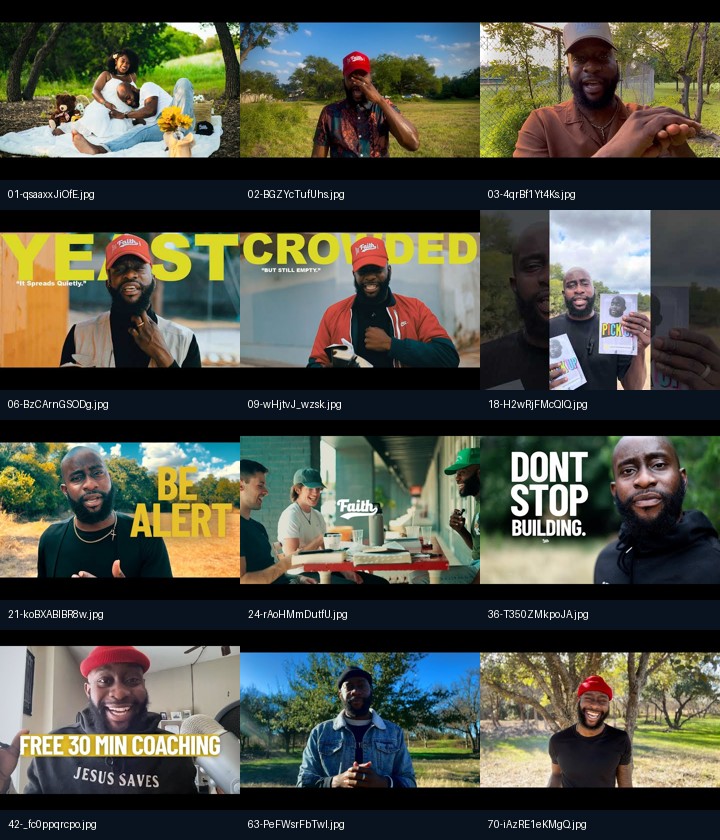
Pause and prepare
If the timing is not right, leave with a short reflection prompt and avoid pressuring the visitor into a premature commitment.
Watch Teachings ->Use another support path
If the need is outside coaching scope, use emergency, clinical, legal, medical, pastoral, or other qualified support first.
Review Scope ->Calendar
Choose a time in the scheduler.
The calendar opens Mike's current Clarity Call link. Use the booking flow for time, time zone, rescheduling, cancellation, and official confirmation details.
Booking expectations
- Duration: plan for the time shown in the scheduler.
- Intake: share name, email, readiness context, and scope acknowledgement only.
- Confirmation: use the calendar confirmation as the source of truth.
- Follow-up: expect next-step notes only when they fit the coaching scope.
Scheduler safeguards
Keep the booking path useful without collecting the wrong data.
The calendar should qualify fit, preserve attribution, and repeat scope boundaries without turning into a private intake record.
Minimum fields
Name, email, source, time zone, readiness context, and acknowledgement fields are enough for a fit conversation.
No open crisis intake
Avoid asking for trauma histories, payment details, medical detail, diagnosis, or emergency disclosures in the scheduler.
Source context
Keep social, campaign, video, book, partner, and QR context connected to the booking when possible.
Redirect
After booking, send visitors to a thank-you path that repeats preparation, scope, and reschedule expectations.
Privacy and consent
Share only what is needed for a fit conversation.
Booking should include clear consent language, privacy expectations, and coaching-scope acknowledgement before any sensitive context is shared.
Book when the fit question is clear.
If you already know what you want to discuss and understand the support boundary, choose a time. If not, start with the workbook or coaching scope first.