
Clarity
Name the decision, pattern, or responsibility that keeps feeling hard to move through.
Faith-based coaching
Mike's coaching is for Christians who feel stuck, uncertain, or ready to move from inspiration into accountable action. This page explains fit, process, boundaries, and the right next step before anyone books.

What coaching supports
Coaching can help visitors sort what is in front of them and practice a next step. It should not be presented as treatment, diagnosis, or a promised life outcome.
Name the decision, pattern, or responsibility that keeps feeling hard to move through.

Turn a broad desire for change into one practical next step that can be reviewed.
Reflect on faith, gifts, season, and responsibility without turning the work into diagnosis.
Sort options, tradeoffs, and next actions with prayerful and practical accountability.
Use prompts, assignments, and check-ins so encouragement has a place to land.
Build repeatable rhythms that help action continue after an inspiring conversation.
Fit and exclusions
How it works
The overview keeps the journey concrete while leaving final session count, cadence, and terms to the approved program page.
Start with a Clarity Call to name the season, the stuck point, and whether coaching is appropriate.
Confirm expectations, boundaries, schedule, and the practical focus before deeper work begins.
Use focused conversations to move from reflection into a clear next step.
Practice assignments, workbook prompts, and accountability checkpoints where approved.
Look at what is changing, what is still unclear, and what support path fits next.
Close with a next-step plan, continued resources, or a referral to a more appropriate support path.
The working method
The coaching path turns testimony, reflection, and practical action into a focused structure for the next faithful step.
Current ways to work together
Every coaching-adjacent path leads to a dedicated page so visitors can compare fit, process, and expectations before sharing sensitive context.
Clarify the season, rebuild confidence, identify the next faithful step, and create a repeatable rhythm for follow-through.
Explore One-to-One Coaching ->A plain-language overview of the fit call, prep, session rhythm, follow-through, and review process.
See the Process ->A low-friction reflection path for people who want to start with prompts before booking a call.
Get the Workbook ->
A separate path for churches, ministries, schools, teams, and faith-based organizations.
Invite Mike to Speak ->Proof with care
The live page should avoid unverified credentials, unsupported numbers, and testimonial language that sounds like clinical evidence.
Stories should name the coaching context, support received, and specific progress with permission.
Review story standards ->
Names, photos, quotes, context, channels, and expiration rules should be confirmed before publication.
Review story standards ->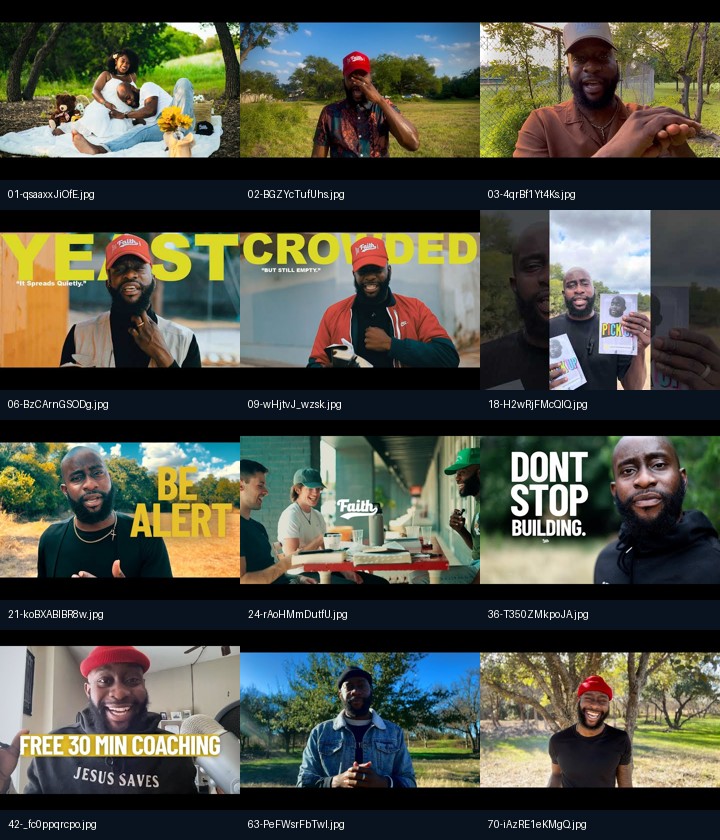
Stories can show relevant movement, but they should not promise that every visitor will have the same outcome.
Review story standards ->FAQ highlights
Explore the one-to-one coaching page if you are already considering support. Start with the workbook or videos if you are still exploring.
No. Coaching supports reflection, goals, accountability, and forward action. It is not diagnosis, psychotherapy, medical treatment, legal advice, or emergency support.
The call should clarify readiness, boundaries, and next steps before any coaching commitment.
Pricing, cancellation, refund, confidentiality, and agreement language are confirmed before any coaching commitment.
Coaching is designed to support reflection, goals, accountability, and forward action. It is not emergency care and is not a substitute for diagnosis, psychotherapy, medical treatment, legal advice, or other licensed professional services. If you are in immediate danger in the United States, contact emergency services. For mental health crisis support in the United States, call or text 988.