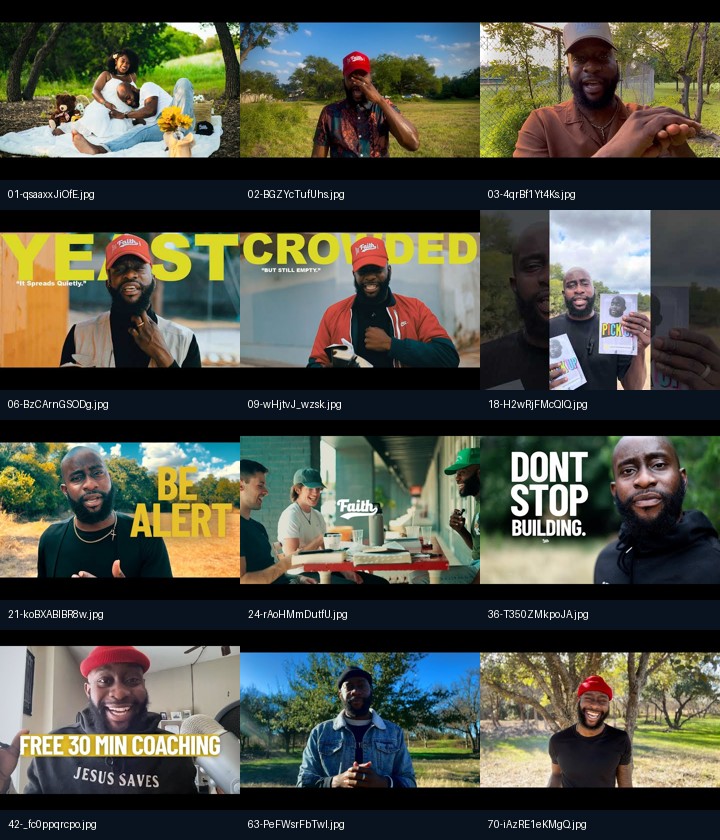
Proof should be permissioned, contextual, and careful.
Stories can show coaching, book, speaking, workshop, and creative outcomes when they are permissioned, contextual, and specific. This page explains the proof standard before public quotes or outcomes appear.
Check for crisis, clinical, trauma, legal, medical, financial, or guaranteed-outcome language before publishing.
04
Publish and maintain
Publish only confirmed details, then review questions, edits, and takedown requests through a clear support path.
Case study anatomy
Every story needs context before outcome.
This structure keeps proof useful to prospects while protecting the people and organizations named in the story.
Starting point
What the person, reader, host, or creative client was trying to clarify before the engagement.
Support received
Whether the source used coaching, workbook, book, speaking, workshop, creative service, or a combination.
Action taken
The practical step, decision, rhythm, event, or deliverable that moved because of the engagement.
Responsible result
A careful outcome statement that stays true to the source and avoids promising the same result for everyone.
Next page
The page visitors should open next: Clarity Call, speaking, creative inquiry, book, workbook, videos, or contact.
Quote cards
Quotes need source, context, and permission.
The page can support strong proof, but it should not quote clients, readers, or hosts until exact source, context, and permission are documented.
Permission required
Coaching quote
Use a permissioned statement about clarity, confidence, accountability, or next-step action.
Permission required
Reader quote
Use a sourced reader statement about the book or workbook when attribution is allowed.
Permission required
Host quote
Use a church, ministry, school, or organization quote after event permission is documented.
Review lanes
Different proof types need different approvals.
Coaching, reader, speaking, and creative records should not share one broad release checklist because each lane carries different privacy and rights issues.
Coaching stories
Need participant release, service dates, support boundary, outcome wording, and private-data review.
Reader stories
Need source, permission, attribution, marketplace/review policy check, and no copied review text without approval.
Speaking stories
Need host approval, event context, audience type, quote approval, recording/photo rights, and organization display preference.
Creative stories
Need portfolio rights, image/video approval, usage terms, client display preference, and separation from coaching claims.
Proof standards
Trust comes from context, not dramatic claims.
These standards protect participants, prospects, and the coaching scope while making case studies easier to review and publish.
Permission first
A public story needs approval for name, context, quote, photo/video use, channel, and expiration or revocation terms.
Service accuracy
A result must be tied to the actual support received: coaching, book, workbook, speaking, workshop, or creative service.
No guaranteed outcomes
Stories can describe a participant's experience, but they should not imply every visitor will get the same result.
Safety boundaries
Mental-health, trauma, crisis, legal, medical, or emergency language needs careful guidance and cannot become a coaching claim.
Intake checklist
Every public story needs a release trail.
Before a story becomes public, collect participant display name, service received, engagement dates, starting point, actions taken, specific responsible result, permission choices, and final participant approval.
01Confirm service lane
Do not attribute a result to coaching if the participant only used a book, event, or creative service.
02Approve exact words
Final quote language must match the participant's meaning and approval.
03Store release details
Name use, photo use, channels, expiration, and revocation terms need a secure record.
Result and privacy note
Individual results vary, and privacy comes first.
Stories can show context and progress, but they are not guarantees, clinical evidence, emergency guidance, medical care, legal advice, or therapy claims.